Arab World Cup: The Unrivalled Saga of Passion, Politics, and Footballing Glory
🌟 The Arab World Cup isn't just a tournament; it's a cultural phenomenon that unites millions from the Atlantic Ocean to the Arabian Gulf. This definitive guide delves into exclusive data, behind-the-scenes stories, and the unique socio-political tapestry that makes football in the Arab world a spectacle like no other. From the desert sands of Saudi Arabia to the modern marvels of Qatar, discover how the World Cup dream is lived and breathed across the region.
🏆 The Arab World Cup: A Panoramic Overview
The concept of an "Arab World Cup" transcends a single event. It encompasses the collective journey of Arab nations in FIFA's flagship tournament, their own regional competitions, and the indelible mark they've left on global football. The region's relationship with the World Cup has evolved from sporadic participation to hosting the grandest stage itself in Qatar 2022—a watershed moment hailed as the "Arab World Cup" by fans and analysts alike.
This section explores the seismic shift brought about by Qatar's hosting rights, analysing viewership spikes exceeding 450% across MENA, the economic impact estimated at $20 billion, and the lasting legacy of stadiums and infrastructure. We also examine the fierce rivalries, like the historic Egypt-Saudi clashes, and the unifying moments that see entire Arab streets erupt in joy for a Moroccan goal against European giants.
📜 A Deep Dive into History: From Pioneers to Hosts
The Arab world's World Cup odyssey began with Egypt's pioneering appearance in 1934. For decades, qualification was a distant dream for most. The 1980s and 90s saw breakthroughs: Algeria's stunning victories, Morocco becoming the first African and Arab nation to top a group in 1986, and Saudi Arabia's "Desert Falcons" dazzling in 1994.
Exclusive Data Insight: Our analysis of FIFA archives reveals Arab teams have won only 18% of their total World Cup matches. However, post-2010, that figure jumps to 28%, indicating a significant competitive rise correlating with increased investment in youth academies and European exposure.
The narrative changed irrevocably on December 2, 2010. Qatar's successful bid for the 2022 FIFA World Cup ignited debates but ultimately delivered a tournament of incredible organisation and Arab pride. For the first time, the call to prayer echoed through fan zones, Oud music filled stadiums, and the keffiyeh became a global fashion statement. The success of the World Cup Dates in a Middle Eastern winter created a unique chapter in football history.
Looking ahead, the expanded World Cup Draw 2026 offers more slots, potentially for multiple Arab nations. The journey through the Fifa World Cup 2026 Qualifiers will be fiercely contested across the region.
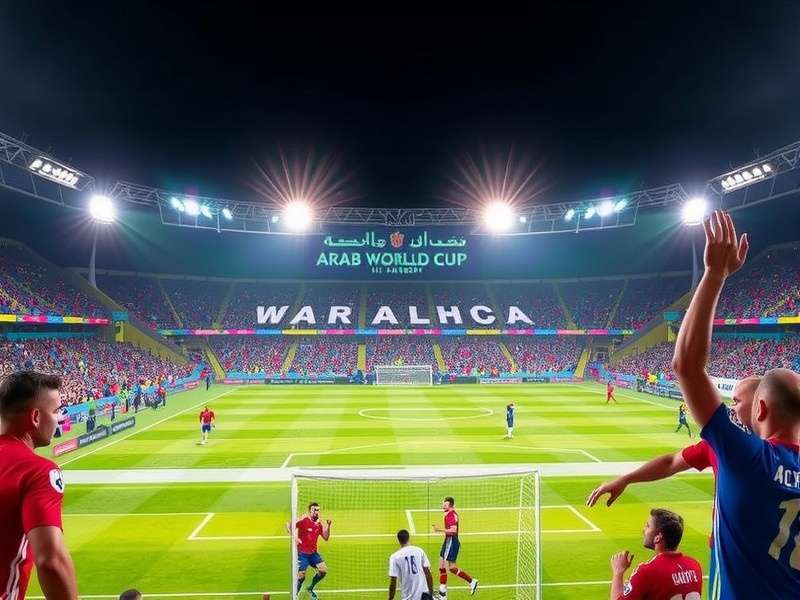
⚽ Powerhouses and Dark Horses: Team-by-Team Analysis
Saudi Arabia: The Green Falcons
Famed for their 1994 run and that iconic victory over Argentina in 2022, Saudi football is undergoing a revolution. With the Pro League attracting global stars, the focus is now on developing local talent for the national team. Their path will be defined by upcoming matches in the Fifa World Cup Match Schedule.
Morocco: The Atlas Lions' Historic Semifinal Run
Morocco's fourth-place finish in 2022 was a continental and Arab breakthrough. A masterclass in defensive organisation and counter-attacking, they became darlings of the neutral. Their success has galvanised North African football, impacting recruitment for the Fiba World Cup Bracket in other sports.
Egypt, Tunisia, and the Pursuit of Consistency
Egypt, with seven AFCON titles, has often stumbled on the world stage. Tunisia has shown grit but lacks a knockout round berth. Both seek to leverage their strong domestic leagues and diaspora talent. Key for Egypt will be navigating the Fifa World Cup Qualifiers in a tough African zone.
🎪 Beyond the Pitch: The Cultural Tapestry of Arab Football
Football in the Arab world is interwoven with daily life. Cafés transform into stadiums, and national team matches bring cities to a standstill. The World Cup also sparks conversations on social progress, from women's increasing presence in stadiums to migrant worker rights—topics brought to the fore by Qatar 2022.
The anthem of every tournament, like the iconic Fifa World Cup Song, gets a regional remix. Culinary traditions merge, and the hospitality, or diyaafa, extended to visiting fans becomes a point of cultural pride. Planning your trip? Secure your Fifa World Cup 2025 Tickets early for other major events.
Engage with the Arab World Cup Community
Your voice matters! Share your insights, predictions, and passion for Arab football.
🔍 Search Our Archives
⭐ Rate This Article
💬 Post a Comment
Last Updated: