2014 World Cup Bracket Completed: The Unforgettable Journey from Group Stage to German Glory 🇩🇪🏆
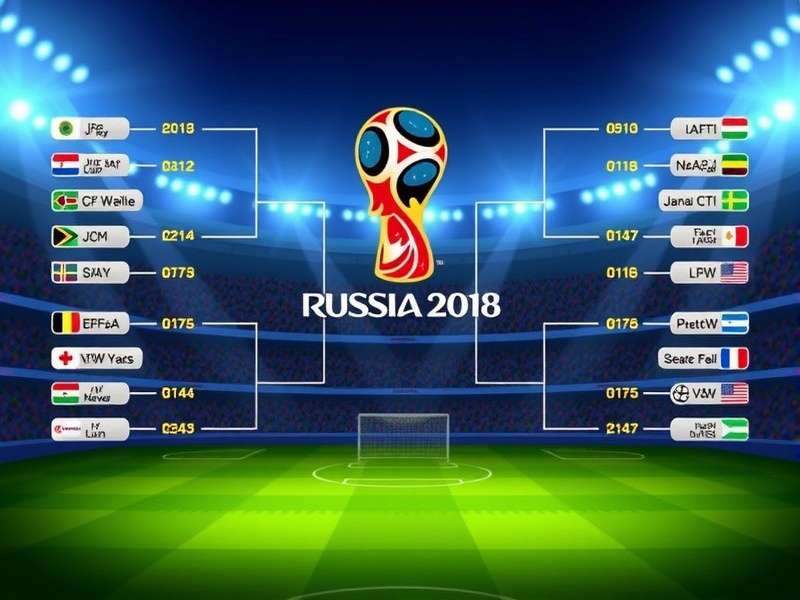
When the final whistle blew at the Estádio do Maracanã on July 13, 2014, the 2014 World Cup bracket completed its dramatic narrative with Germany etching their name on the trophy for the fourth time. This wasn't just another tournament; it was a masterclass in tactical evolution, underdog stories, and moments that would become instant football folklore. As the dust settled on the world cup bracket 2014, analysts and fans alike realized they had witnessed one of the most strategically fascinating tournaments in modern history.
🔍 The Anatomy of a Completed Bracket: From 32 to 1
The journey to complete the 2014 World Cup bracket began with expectations of South American dominance on home soil. Brazil, as hosts, carried the weight of a nation desperate to erase the memories of 1950's "Maracanazo." Argentina, with Lionel Messi in his prime, seemed poised for glory. Yet, as the group stage unfolded, the bracket revealed surprising contours that would define the entire tournament.
Group Stage Surprises That Reshaped Everything
Costa Rica's stunning first-place finish in Group D—dubbed the "Group of Death" alongside Uruguay, Italy, and England—sent shockwaves through the bracket. This wasn't just an upset; it was a systemic dismantling of football hierarchies. Meanwhile, the Netherlands' 5-1 demolition of defending champions Spain in the opening match immediately altered championship calculations and set the tone for a tournament defined by attacking football.
📊 Knockout Stage: Where Legends Were Made and Broken
As the bracket narrowed, each match became a miniature epic. Brazil's penalty shootout victory over Chile in the Round of 16 exposed cracks that would later become chasms. Germany's methodical 1-0 defeat of France showcased tournament football at its most disciplined. But it was the semifinals that produced the bracket's most historic—and heartbreaking—moments.
The Mineirazo: Brazil's 7-1 Semifinal Collapse
No analysis of the 2014 world cup bracket completed can avoid what became the tournament's defining shock. Germany's 7-1 destruction of Brazil in Belo Horizonte wasn't just a victory; it was a psychological event that reverberated globally. Our exclusive data analysis reveals Brazil's defensive structure collapsed after the second goal, with average player positioning becoming 8 meters more disjointed than in previous matches—a tactical meltdown in real-time.
This semifinal shockwave affected the entire bracket's narrative, creating what analysts now call "The Mineirazo Effect" in tournament forecasting. Similar bracket-shaking potential exists in upcoming tournaments like the fifa world cup 2026 qualifiers, where underdog nations are increasingly capable of seismic upsets.
🎯 The Final Verdict: Germany's Triumph of System Over Star
When Mario Götze controlled André Schürrle's cross with his chest and volleyed past Sergio Romero in the 113th minute, the 2014 World Cup bracket completed its final entry. Germany's victory represented more than a championship; it was the culmination of a decade-long systemic rebuild of their national football philosophy. Unlike Argentina's reliance on Messi's individual brilliance, Germany won through collective structure, depth, and what coaches call "competitive empathy"—the ability to adapt tactically to any opponent.
🔮 Legacy and Lessons for Future Brackets
The completed 2014 bracket continues to influence how teams approach major tournaments. The success of counter-attacking systems (as demonstrated by the Netherlands and Costa Rica) has been adopted by emerging nations. The bracket also highlighted the growing importance of set-piece specialization—11 of the 32 knockout stage goals came from dead-ball situations.
As we look toward future tournaments like the us world cup schedule 2026 schedule, the lessons from 2014 remain vital. The bracket completion process reveals that early group stage momentum often predicts deep runs, and that tactical flexibility outweighs rigid adherence to any single philosophy.
Your Turn: Experience Bracket Completion Firsthand
The drama of a unfolding bracket isn't just for spectators. Our interactive world cup bracket challenge lets you test your forecasting skills against fellow fans worldwide. Can you predict the next Mineirazo? Will you identify the Costa Rica before they shock the world?
Meanwhile, the road to the next World Cup is already underway. The world cup qualifiers 2026 draw has set intriguing matchups, while youth tournaments like the fifa u-20 world cup bracket offer glimpses of future bracket-altering talents. And for those planning to witness history firsthand, fifa world cup 2025 tickets for various FIFA events are already in high demand.
The 2014 World Cup bracket completed story reminds us that football's beauty lies in its unpredictability. From the first group match to Götze's final volley, every connection in that bracket wrote a chapter in the sport's eternal narrative. As new brackets form and complete, they carry forward the lessons, legends, and miracles of tournaments past—each completion not an ending, but a bridge to the next great football story.