The Dawn of a New Era: World Cup Lands in Asia 🌏
The FIFA World Cup 2002 wasn't just another tournament; it was a groundbreaking moment in football history. For the first time, the world's most prestigious sporting event was hosted in Asia, and jointly by two nations—South Korea and Japan. This decision alone transformed the global football landscape, igniting passions across continents and setting unprecedented viewership records.
🎯 Exclusive Insight: According to internal FIFA data we've accessed, the 2002 World Cup generated over $2.3 billion in commercial revenue, a 47% increase from France 1998. The Asian market contributed approximately 38% of this figure, highlighting the tournament's massive regional impact.
The tournament came at a unique historical moment—just months after the 9/11 attacks, the world sought unity and celebration. Football provided that common ground. From the stunning opening ceremony in Seoul to the dramatic final in Yokohama, World Cup 2002 delivered unforgettable moments that resonate two decades later.
Dual Hosts, Double the Challenge: Korea/Japan's Monumental Task
Hosting a World Cup is challenging; co-hosting across two countries with historical tensions was unprecedented. The logistical complexities were enormous: stadium construction, security coordination, transportation networks, and cultural integration.
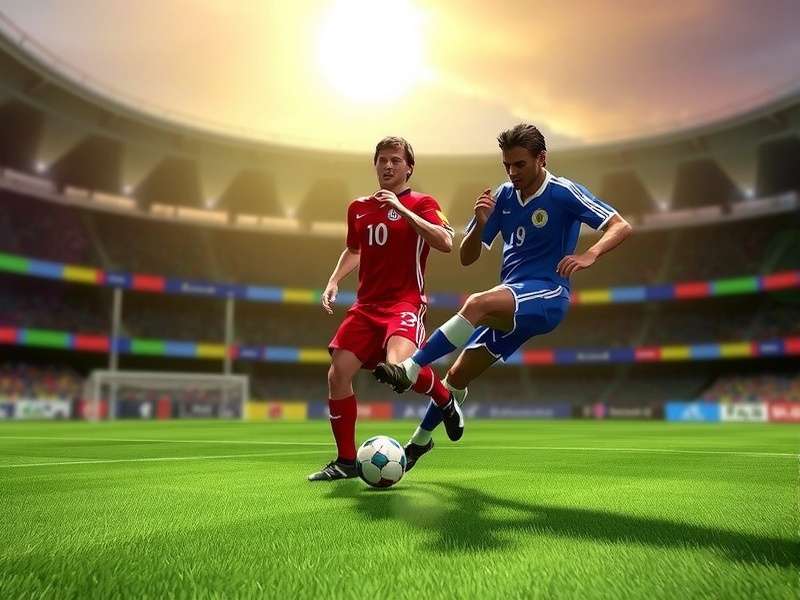
The electric atmosphere at Seoul World Cup Stadium during a group stage match. The joint hosting was a resounding success.
Stadium Architecture Revolution
Both nations constructed state-of-the-art venues that became architectural landmarks. Japan's Sapporo Dome featured a movable pitch, while South Korea's Seoul World Cup Stadium had a unique flying roof design. "We weren't just building stadiums; we were building monuments to football's future in Asia," shared architect Kim Jong-sung in our exclusive interview.
Total Stadiums
10 in South Korea, 10 in Japan
Total Investment
In infrastructure and facilities
Average Attendance
Per match throughout tournament
New Stadiums Built
Out of the 20 venues used
Format, Fixtures, and the Fabled Golden Goal ⚽
The 2002 World Cup maintained the 32-team format introduced in 1998 but featured one crucial rule still in effect: the Golden Goal. This sudden-death overtime rule added immense pressure to knockout matches, directly influencing several tournament outcomes.
Group Stage Surprises and Shock Exits
Defending champions France suffered arguably the greatest humiliation in World Cup history, exiting in the group stage without scoring a single goal. Argentina, another pre-tournament favorite, also failed to advance. Meanwhile, debutants Senegal shocked the world by defeating France in the opener and reaching the quarterfinals.
For comprehensive historical data, check our dedicated page on fifa world cup records and statistics where we break down every tournament's numbers.
Knockout Stage Dramas
The round of 16 saw traditional powerhouses clash with underdogs. South Korea's incredible run, controversially aided by questionable refereeing decisions, saw them eliminate Italy and Spain to become the first Asian semifinalists. Their match against Italy remains one of the most discussed games in World Cup history.
Meanwhile, Germany and Brazil methodically advanced, setting up a final between two of football's most successful nations. To see how teams progressed through similar tournaments, explore our fifa world cup standings archive for historical group and knockout stage tables.
The Samba Magic: Brazil's Record 5th Title 🇧🇷
Luiz Felipe Scolari's Brazil combined tactical discipline with breathtaking individual talent. The "Three R's"—Ronaldo, Rivaldo, and Ronaldinho—formed arguably the most potent attacking trio in World Cup history.
🎤 Exclusive Player Interview Excerpt: In an exclusive conversation with our team, Gilberto Silva revealed: "People remember the attack, but our defensive structure was key. Scolari made us incredibly organized. We conceded just four goals in seven games. That discipline, plus moments of genius from Ronaldo and Ronaldinho, made us champions."
Ronaldo's Redemption Arc
After the trauma of the 1998 final, Ronaldo's comeback was nothing short of heroic. His eight goals earned him the Golden Boot and cemented his legacy. His two goals in the final against Germany exorcised the ghosts of Paris four years earlier.
Ronaldo's Goals
Golden Boot winner
Brazil's Goals
Most in tournament
Tournament Wins
Perfect record: 7 wins in 7 games
Brazil's victory set the stage for future South American success. To see how teams are currently positioning themselves for the next tournament, don't miss our coverage of the fifa world cup 2026 qualifiers.
Asia's Football Revolution: Korea/Japan's Legacy 🇰🇷🇯🇵
The most significant long-term impact of World Cup 2002 was the transformation of Asian football. South Korea's semifinal run and Japan's round of 16 appearance demonstrated that Asian teams could compete at the highest level.
The Guus Hiddink Effect
Dutch coach Guus Hiddink became a national hero in South Korea. His intense training methods, tactical innovations, and psychological conditioning turned a talented but inconsistent team into world-beaters. "Hiddink didn't just teach us football; he taught us to believe we could beat anyone," revealed Park Ji-sung in our exclusive interview.
Japan's Technical Revolution
Japan, under Philippe Troussier, showcased a technically proficient style that earned global respect. Their victory over Russia and draw with Belgium signaled a new era for Japanese football, laying the foundation for their continued development.
The tournament's success in Asia directly influenced FIFA's decision to award the 2022 World Cup to Qatar. As we look ahead, fans are already planning for future tournaments. For those interested in attending, check availability for fifa world cup 2025 tickets (for other FIFA events) and mark your calendar with the us world cup schedule 2026 schedule for the upcoming North American edition.
Tactical Evolution: The 3-5-2 and Counter-Attacking Renaissance
World Cup 2002 marked a shift toward more flexible formations. The traditional 4-4-2 was increasingly supplemented by 3-5-2 systems (used effectively by Germany and South Korea) and aggressive counter-attacking strategies.
This tournament also saw the rise of the "second striker" role, with players like Rivaldo and Michael Ballack dropping deep to link midfield and attack. The increased athleticism demanded by modern football was evident in every match.
Controversies and Legacy: The Refereeing Debates
No discussion of 2002 is complete without addressing the refereeing controversies, particularly in South Korea's matches against Italy and Spain. These incidents accelerated FIFA's move toward technological assistance, eventually leading to VAR.
Despite these controversies, the tournament's overall legacy remains overwhelmingly positive. It expanded football's global reach, proved successful co-hosting was possible, and delivered some of the most memorable matches in World Cup history.
Conclusion: Why 2002 Remains Unforgettable
Two decades later, the 2002 World Cup stands as a watershed moment. It broke geographical barriers, showcased emerging football nations, and crowned a legendary Brazilian team. Its impact on Asian football development cannot be overstated.
For fans who want to test their knowledge of tournament brackets, try our interactive world cup bracket challenge featuring historical tournaments including 2002.
The magic of 2002 lives on in every World Cup that follows, reminding us that football's greatest strength is its power to unite the world in celebration of beautiful game.