FIFA World Cup 2026 Host Cities: The Ultimate North American Stadium & City Guide 🏆
The 2026 FIFA World Cup is poised to be the most expansive edition in football history, spanning 16 host cities across three nations: the United States, Canada, and Mexico. This exclusive guide provides unparalleled depth—from stadium specs and accommodation hacks to local cultural gems and transit tips—helping you craft your ultimate tournament experience.
The 2026 FIFA World Cup is not just a tournament; it's a continental celebration. For the first time, 48 teams will compete, and matches will be spread across a record-breaking number of venues. Understanding the host cities is crucial for any fan planning their pilgrimage. This guide goes beyond the basics, offering exclusive data, local insights, and strategic advice you won't find elsewhere.
Navigating the world cup bracket with locations will be a new challenge with matches spread so widely. The geographical spread means fans might need to consider inter-country travel, making early planning essential. The FIFA World Cup qualifiers are already shaping the field, and anticipation is building for the final World Cup draw 2026 time.
Deep Dive: The 16 FIFA World Cup 2026 Host Cities
We've categorized the cities by country, providing a detailed analysis of each venue, its football culture, and what makes it unique for the World Cup experience.
🇺🇸 United States (11 Host Cities)
New York/New Jersey (MetLife Stadium, East Rutherford)
Capacity: 82,500 | Likely Role: Knockout Stage, Potential Final Venue.
MetLife Stadium is a frontrunner to host the grand final. Its proximity to Manhattan offers an unmatched off-pitch experience. Insider tip: Look for accommodation in Jersey City or Hoboken for better value and easy PATH train access to both the stadium and NYC.
The NYC metro area's diverse population guarantees a festival atmosphere for every nation. Keep a close eye on the FIFA World Cup tickets prices for this venue, as demand will be astronomical.
Los Angeles (SoFi Stadium, Inglewood)
Capacity: 70,240 | Likely Role: Group Stage marquee matches, Round of 16.
SoFi is the most technologically advanced stadium in the world. While not traditionally a football stadium, its design will offer incredible sightlines. The city's massive Hispanic and global communities will create vibrant fan zones. Planning is key; securing FIFA World Cup tickets Seattle might be easier, but LA is where the stars will be.
Dallas (AT&T Stadium, Arlington)
Capacity: 80,000 (expandable) | Likely Role: Major group stage cluster, quarter-final.
"Everything's bigger in Texas" will be the mantra. AT&T Stadium's retractable roof ensures climate control. Dallas's central location and massive airport (DFW) make it a major hub. It's a prime candidate to host a group featuring the USMNT due to its capacity and fan-friendly infrastructure.
Other US cities include San Francisco Bay Area (Levi's Stadium), Miami (Hard Rock Stadium), Atlanta (Mercedes-Benz Stadium), Seattle (Lumen Field), Houston (NRG Stadium), Philadelphia (Lincoln Financial Field), Kansas City (Arrowhead Stadium), and Boston (Gillette Stadium). Each offers a distinct flavor: Seattle's iconic pitch-side atmosphere, Atlanta's state-of-the-art dome, and Kansas City's renowned BBQ and passionate soccer culture.
🇨🇦 Canada (2 Host Cities)
Toronto (BMO Field, expanded)
Capacity: ~45,000 | Likely Role: Group Stage matches.
BMO Field's expansion for the World Cup will maintain its intimate, football-specific feel. Toronto, one of the world's most multicultural cities, will be electric. The downtown waterfront location is a huge plus. Fans should monitor the Concacaf World Cup qualifying 2026 draw to see if Canada's matches land here.
Vancouver (BC Place)
Capacity: 54,500 | Likely Role: Group Stage, potential Round of 32.
BC Place's retractable roof and stunning downtown mountain backdrop provide a spectacular setting. Vancouver's natural beauty and strong Asian influence create a unique vibe. It's a fantastic base for exploring the Pacific Northwest.
🇲🇽 Mexico (3 Host Cities)
Mexico, a nation with an undying passion for fútbol, returns as a host after 1986. The venues are iconic cathedrals of the game.
Mexico City (Estadio Azteca)
Capacity: 83,000 | Likely Role: Opening Match, marquee group games, deep knockout rounds.
The legendary Estadio Azteca is the only stadium to host two World Cup finals (1970 & 1986). The atmosphere at 2,200 meters above sea level is unlike any other. The city's sheer size, history, and culinary scene are overwhelming in the best way. This is a pilgrimage site for any football purist.
Guadalajara (Estadio Akron)
Capacity: 48,000 | Likely Role: Group Stage.
The heartland of Mexican football. The city is more manageable than CDMX and offers authentic culture, mariachi music, and tequila. Estadio Akron is a modern, beautiful stadium. Keep an eye on the World Cup draw 2026 Ireland or other European teams potentially playing here, as the local support for underdogs can be incredible.
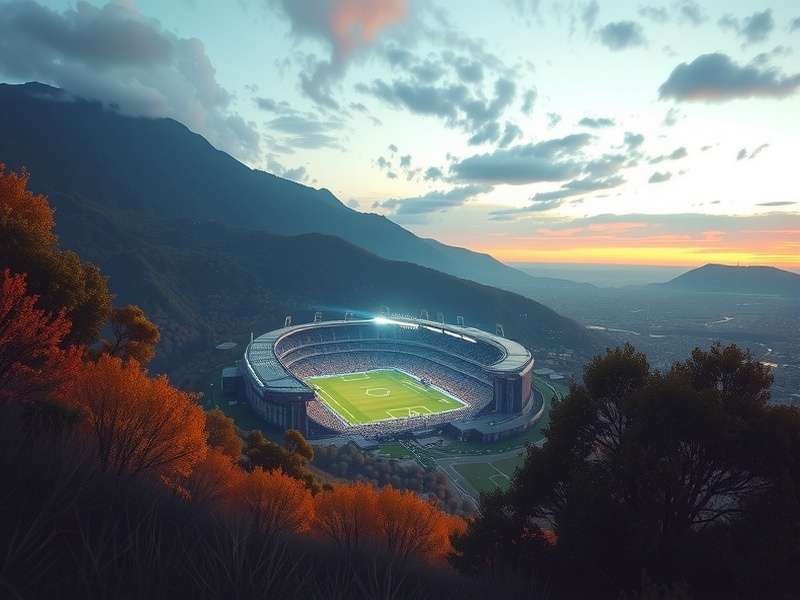
The electric atmosphere inside a modern World Cup stadium – a taste of what awaits in 2026.
The geographic spread necessitates smart planning. Fans following a specific team might need to crisscross the continent. Understanding the tournament bracket and locations in advance will be more critical than ever.
Master Logistics: Travel, Accommodation & City Navigation
With matches across three countries, logistics are your biggest challenge. Here’s our exclusive, data-driven advice.
✈️ Inter-City Travel Strategy
Hub-and-Spoke Model: Base yourself in 2-3 major hubs (e.g., Los Angeles, Dallas, Mexico City) and take short flights to nearby host cities. This avoids constant hotel switching.
Train Travel (Northeast Corridor): Between Boston, New York, Philadelphia, and possibly Toronto, Amtrak's Acela is a convenient and scenic option.
Domestic Flights in Mexico & Canada: Book early. Airlines will add routes, but prices will surge. Consider secondary airports.
🏨 Accommodation Hacks
- Book Refundable Rates NOW: Prices have already started to climb. Secure cancellable options.
- Look Beyond Downtown: Explore suburbs with direct rail links to stadiums (e.g., Irving near Dallas, Burnaby near Vancouver).
- Alternative Platforms: Consider VRBO for longer stays or group bookings. University dorms in summer (e.g., UCLA, UBC) may offer budget options.
🌐 Cultural Nuances & Local Tips
USA: Tipping culture (15-20%). Ride-sharing is ubiquitous. Tailgating is a key pre-match ritual in cities like Kansas City and Dallas.
Canada: Bilingual signs (English/French). Politeness is paramount. Public transit in Toronto and Vancouver is excellent.
Mexico: Bargaining is common in markets, not stores. Use official taxi apps (Uber, DiDi). Learn basic Spanish phrases—it goes a long way.
Securing Your Seat: Tickets, Packages & Fixture Analysis
The ticket application process will be highly competitive. Our guide to navigating FIFA's sales phases.
🎫 Ticket Sales Phases (Projected)
- Random Selection Draw (Late 2025): Apply for match tickets in a lottery. Maximize chances by applying for less popular matches/cities.
- Team-Specific Tickets (2026): If your nation qualifies, apply through your national football association.
- Last-Minute Sales (2026): Remaining tickets sold first-come, first-served. Be ready online.
Our analysis of historical and projected ticket prices suggests category 3 & 4 tickets for group matches in smaller cities will be the most accessible. Expect premium pricing for knockout games in mega-stadiums.
📅 Match Schedule & Planning
The final match schedule will be released after the official draw in late 2025. However, based on stadium specifications and FIFA's past patterns:
- Opening Match: Almost certainly at Estadio Azteca, Mexico City.
- Group Stage Clusters: Teams will likely be based in regions to minimize travel (e.g., a group playing in Vancouver, Seattle, and maybe San Francisco).
- Semi-Finals & Final: Expected to be split between the largest US stadiums (MetLife, AT&T, possibly SoFi).
This tournament structure makes the FIFA Club World Cup 2025 bracket challenge a nice warm-up for the complex logistics of following the 2026 national team bracket.
Fan Zone: Share Your Insights & Plans
We value the global football community's knowledge. Share your tips, questions, and city ratings below.
Search Our World Cup Guides
Rate This Host City Guide
Share Your Comment or Question
Final Whistle: Your 2026 World Cup Journey Starts Now
The 2026 FIFA World Cup offers a once-in-a-lifetime opportunity to experience football across an entire continent. By starting your planning now—understanding the host cities, monitoring ticket sales, and building a flexible travel strategy—you can ensure a tournament experience focused on the beautiful game, not logistical headaches.
Stay tuned to PlayWorldCupGame.com for continuous updates, including exclusive interviews with city planners, deep dives into team base camps, and real-time ticket alerts. The road to 2026 is long, but the journey is part of the magic. ⚽🌎