Overview: The FIFA U-20 World Cup Bracket Explained
The FIFA U-20 World Cup is the premier international football tournament for players under the age of 20. Organised by FIFA since 1977, it has served as the ultimate proving ground for future legends — from Maradona and Messi to Mbappé and Haaland. The U-20 World Cup bracket determines the path to glory: 24 teams compete in a group stage followed by a knockout bracket, culminating in a champion who lifts the iconic trophy.
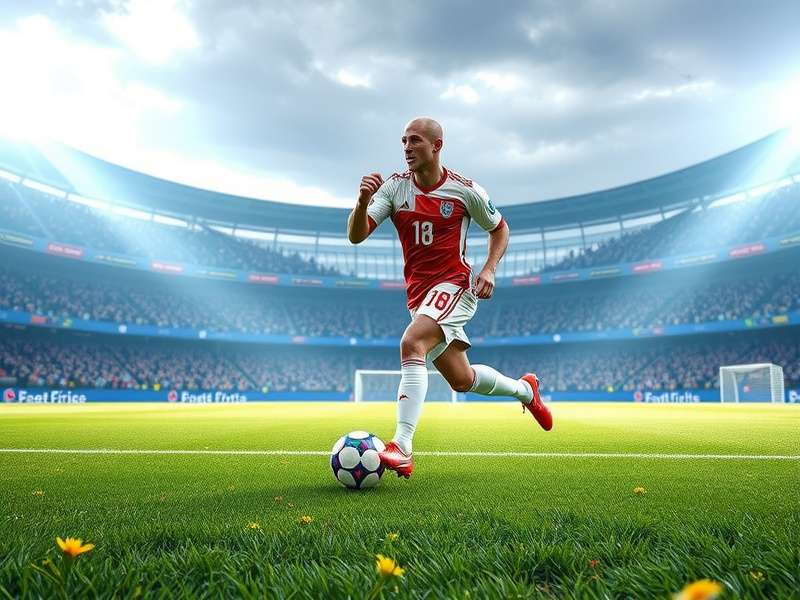
The tournament is held every two years, and its bracket format has evolved over time. Currently, 24 nations are divided into 6 groups of 4. The top two from each group, plus the 4 best third-placed teams, advance to the Round of 16. From there, it’s a straight knockout — quarter-finals, semi-finals, and the grand final. This structure ensures drama at every stage, with giant-killings and extra-time heartbreaks becoming part of U-20 folklore.
History of the U-20 World Cup Bracket
The first edition was held in 1977 in Tunisia, with the Soviet Union taking the crown. Back then, the tournament featured just 16 teams and a simple knockout bracket. Over the decades, FIFA expanded the U-20 World Cup bracket to 24 teams in 1997, allowing more nations to experience the thrill of youth competition.
🏆 Memorable Finals & Bracket Moments
From Argentina’s dominance in the 1990s and 2000s to Brazil’s flair and Ghana’s historic win in 2009, the bracket has produced iconic matches. Who can forget the 2005 final where Messi-led Argentina beat Nigeria 2-1? Or the 2013 final where France edged Uruguay 4-1 on penalties after a 0-0 draw? These moments are etched into World Cup history.
Evolution of the Bracket Format
In 1977–1995: 16 teams, straight knockout after group stage. 1997–present: 24 teams, with a Round of 16. This change added two knockout rounds, increasing the margin for error and creating more narrative arcs. The FIFA U-20 World Cup bracket now mirrors the senior tournament structure, giving young players a taste of the real thing.
Understanding the FIFA U-20 World Cup Bracket
To truly appreciate the tournament, you need to understand how the bracket works. Here’s a breakdown of each phase, with tips on how to read the bracket like a pro.
Group Stage: The First Crossroads
6 groups of 4 teams. Each team plays 3 matches. Win = 3 points, Draw = 1, Loss = 0. The top 2 from each group automatically qualify. The 4 best third-placed teams also advance — this is where the bracket gets interesting, as teams sometimes calculate their path based on potential knockout opponents.
Round of 16: The Bracket Opens
This is where the U-20 World Cup bracket truly takes shape. The group winners face third-placed teams, while runners-up clash with each other. This stage often produces lopsided scorelines, but also the first major upsets. In 2019, Mali (group winners) crushed Argentina 4-0 in the Round of 16 — a bracket shock that reshaped the tournament.
Quarter-finals & Semi-finals: The Pressure Cooker
With 8 teams left, the bracket narrows. Matches become tighter, and extra time becomes common. The semi-finals are especially brutal — losing at this stage means a third-place playoff, which no team truly wants. The FIFA U-20 World Cup bracket rewards consistency and mental strength here.
The Final: Destiny Awaits
Only two teams remain. The final is a showcase of the best youth talent in the world. Past finals have produced legendary performances — like Paul Pogba’s masterclass in 2013 or Erling Haaland’s hat-trick in 2019 (though Norway didn’t win, his individual brilliance lit up the bracket). The winner lifts the trophy and earns a place in football immortality.
Legends Born from the U-20 World Cup Bracket
The U-20 World Cup has been a launchpad for some of the greatest players in football history. Here are a few who made their mark on the bracket before taking the senior world by storm.
🇦🇷 Diego Maradona (1979)
Maradona lit up the 1979 U-20 World Cup in Japan, leading Argentina to victory. His performances in the knockout bracket — especially the final against the Soviet Union — announced a generational talent. He won the Golden Ball as the tournament’s best player.
🇦🇷 Lionel Messi (2005)
Messi was already a rising star at Barcelona, but the 2005 U-20 World Cup in the Netherlands cemented his legacy. He scored 6 goals in the bracket, including two in the final, and won both the Golden Ball and the Golden Boot. The World Cup stage saw its future king.
🇫🇷 Paul Pogba (2013)
Pogba captained France to U-20 glory in 2013, scoring in the final and dominating midfield. His performances in the knockout bracket — especially against Ghana and Uruguay — showed the box-to-box brilliance that would later define his career.
🇳🇴 Erling Haaland (2019)
Haaland scored 9 goals in the 2019 U-20 World Cup, including a stunning hat-trick against Honduras. Though Norway didn’t progress far in the bracket, his individual feats set the stage for his meteoric rise at Borussia Dortmund and Manchester City.
These players are proof that the FIFA U-20 World Cup bracket is not just a youth tournament — it’s a crystal ball for the future of football.
India & the U-20 World Cup Bracket: A Growing Connection
For Indian football fans, the FIFA U-20 World Cup bracket represents both aspiration and opportunity. India has hosted major FIFA events at the U-17 level (2017), and the dream of seeing the Blue Colts compete in the U-20 World Cup is alive. The All India Football Federation (AIFF) has been investing in youth academies and exposure tours, with the explicit goal of qualifying for the U-20 showpiece.
Why the U-20 Bracket Matters for India
India’s senior team has yet to qualify for the FIFA World Cup, but the U-20 path offers a realistic entry point. Countries like Japan, South Korea, and Australia have used U-20 success to build senior teams. The U-20 World Cup bracket provides a clear roadmap: develop young talent, compete against the best, and build a winning mentality.
Indian Players Who Could Shine on the U-20 Stage
With the rise of the Indian Super League (ISL) and improved youth scouting, several Indian youngsters have the potential to grace the U-20 bracket. Players like Lalengmawia Ralte (Apuia), Vikram Partap Singh, and Rohit Danu have shown glimpses of quality. If India can qualify for the 2027 or 2029 U-20 World Cup, the bracket would be a watershed moment for Indian football.
U-20 World Cup Bracket: Stats, Records & Data
Numbers tell the story of the bracket’s rich history. Here are some of the most remarkable statistics from the FIFA U-20 World Cup.
🏅 Most Titles (Team)
- Argentina — 6 titles (1979, 1995, 1997, 2001, 2005, 2007)
- Brazil — 5 titles (1983, 1985, 1993, 2003, 2011)
- Portugal — 2 titles (1989, 1991)
- Ghana — 1 title (2009)
- France — 1 title (2013)
- Ukraine — 1 title (2019)
⚽ Top Scorers in a Single Tournament
- Erling Haaland (Norway) — 9 goals (2019)
- Dominic Adiyiah (Ghana) — 8 goals (2009)
- Lionel Messi (Argentina) — 6 goals (2005)
- Saviola (Argentina) — 6 goals (2001)
- Fernando Cavenaghi (Argentina) — 6 goals (2003)
🌍 Most Appearances in the Bracket
Brazil and Argentina have appeared in every edition of the U-20 World Cup since 1977 — a testament to their production line of young talent. Other regulars include Uruguay, Spain, Nigeria, and Germany.
Bracket Upsets: Biggest Shock Results
- 2009: Ghana 4-3 Brazil (Quarter-final) — Ghana went on to win the tournament.
- 2019: Mali 4-0 Argentina (Round of 16) — Argentina’s worst U-20 defeat.
- 1997: Morocco 2-1 Argentina (Group stage) — a sign of African football’s rise.
- 2013: Iraq 4-2 England (Group stage) — Iraq’s golden generation announced itself.
These stats show that the FIFA U-20 World Cup bracket is anything but predictable. It’s a tournament where history is written by the young and the brave.
Tactical Evolution in the U-20 World Cup Bracket
The way teams approach the U-20 World Cup bracket has changed dramatically over the decades. In the 1980s, South American teams relied on individual brilliance. In the 2000s, European teams brought tactical discipline. Today, the bracket is a mix of all styles — and that’s what makes it fascinating.
🔄 The Rise of the High Press
Modern U-20 teams, especially from Europe, use a coordinated high press to force turnovers. This tactic was crucial in France’s 2013 triumph and Ukraine’s 2019 victory. In the bracket, where young players can be susceptible to pressure, the high press is a game-changer.
🔁 Fluid Formations
Gone are the days of rigid 4-4-2. Today’s U-20 bracket features 3-4-3, 4-3-3, and even 4-2-3-1 variations. Teams switch formations mid-match, making scouting and adaptability critical. The best U-20 coaches — like Argentina’s José Pekerman (1995–2001) — were masters of tactical flexibility.
The African Factor
African teams have brought a unique blend of physicality and technique to the bracket. Ghana’s 2009 win was built on a solid defence and rapid counter-attacks. Nigeria’s Golden Eaglets have produced countless stars who shone in the U-20 bracket before moving to Europe. The FIFA U-20 World Cup bracket is richer for their presence.
Related Resources & Bracket Connections
Understanding the FIFA U-20 World Cup bracket is just one piece of the puzzle. For fans who want to dig deeper into the world of football tournaments, here are some essential guides and resources that complement your knowledge:
- Planning to attend the next big event? Check the Fifa World Cup Tickets 2026 Draw for all ticketing and draw details.
- Looking ahead to another global spectacle? The T20 World Cup 2026 Schedule Group is a must-read for cricket fans who also love football.
- For a broader perspective on group-stage dynamics, explore our World Cup Group analysis.
- Test your football skills with Soccer Skills World Cup — a fun way to understand what players go through.
- Stay on top of fixtures with the Fifa World Cup Match Schedule.
- Vancouver is gearing up for 2026 — see the World Cup Schedule 2026 Vancouver for host city details.
- Want to try your luck? The Fifa World Cup 2026 Ticket Lottery is your gateway to the biggest tournament on earth.
- Bundle your travel plans with World Cup Schedule 2026 Tickets for a seamless experience.
- Download and print your own World Cup Schedule 2026 Printable to follow every match.
Each of these resources ties back to the World Cup ecosystem, and together they form a comprehensive library for any football enthusiast.
Community & Fan Voices
The FIFA U-20 World Cup bracket isn’t just about what happens on the pitch — it’s about the fans who live and breathe every match. From Manaus to Mumbai, supporters bring energy, passion, and debate.
🗣️ Fan Interview: Rahul from Goa
"I’ve been following the U-20 World Cup since 2017. The bracket is so open compared to the senior tournament — you never know who’ll pop up. One minute a nobody from Mali scores a worldie, the next a future Ballon d’Or winner announces himself. That’s the magic of the U-20 bracket."
📢 Community Discussion: Which U-20 Team Will Dominate Next?
Our community predicts that Brazil and Argentina will continue to produce stars, but watch out for Senegal and Japan. Both countries have invested heavily in youth development, and their U-20 teams are increasingly competitive in the bracket.
Join the conversation below — leave your comment and rating!